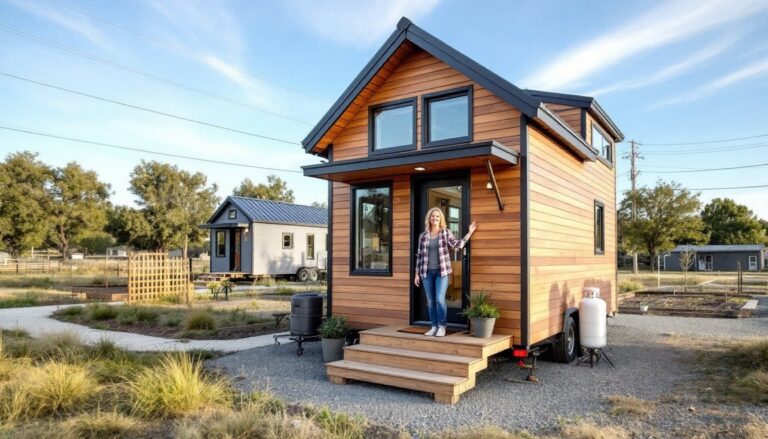
Retirement housing doesn’t have to mean expensive assisted living or isolating suburban sprawl. Tiny home communities built specifically for seniors are reshaping how older adults live, offering affordability, autonomy, and built-in social connection without sacrificing independence. These compact, purpose-designed neighborhoods blend the minimalist appeal of downsized living with the infrastructure and community features retirees actually need. Whether someone’s looking to stretch fixed income further, escape home maintenance burdens, or simply live closer to like-minded neighbors, tiny home communities represent a practical middle ground between traditional retirement facilities and aging in place alone.
Table of Contents
ToggleKey Takeaways
- Tiny home communities for seniors offer an affordable alternative to traditional retirement housing, with purchase prices ranging from $50,000 to $150,000 and monthly site fees between $300 to $700, significantly reducing housing costs for retirees on fixed incomes.
- These age-friendly communities intentionally design shared spaces and walkable layouts to combat senior isolation, allowing residents to maintain independence while building meaningful social connections with nearby neighbors.
- Senior tiny home communities feature accessibility-first design including 36-inch doorways, no-step entries, reinforced bathrooms, and utility infrastructure tailored to older adults, enabling residents to age in place safely.
- On-site amenities such as clubhouses, guest suites, community gardens, and healthcare coordination services provide practical resources that reduce the need for full assisted living arrangements.
- When evaluating a tiny home community, thoroughly inspect site conditions, review governing documents and fee structures, and speak directly with current residents to understand long-term viability and true community culture.
- Tiny home communities operate under formal governance structures as planned unit developments or co-housing cooperatives, giving residents control over rules, budgets, and programming while building shared investment in their neighborhood.
What Are Tiny Home Communities for Seniors?
A senior-focused tiny home community is a planned residential development where individually owned or rented tiny houses, typically 400 to 800 square feet, sit on shared land with communal amenities and infrastructure tailored to older adults. Unlike standard tiny home parks or RV communities, these developments incorporate age-friendly design, accessible common spaces, and often on-site services like wellness programs or light healthcare coordination.
Each home functions as a standalone dwelling with full kitchen, bathroom, sleeping area, and climate control. Residents own or lease their structure but share land ownership or pay site fees covering utilities, maintenance of common areas, and community programming. The legal structure varies: some operate as planned unit developments (PUDs), others as co-housing cooperatives, and a few as land lease communities similar to manufactured home parks but with stricter zoning and design standards.
The key distinction from age-restricted mobile home parks is construction quality and design intent. Most senior tiny homes meet or exceed IRC (International Residential Code) standards for permanent dwellings, with engineered foundations (concrete piers or slab-on-grade), traditional framing, and utilities run to each unit rather than relying on RV-style hookups. Many communities emphasize sustainable home design principles, solar arrays, rainwater capture, high-performance insulation, that reduce long-term operating costs for residents on fixed incomes.
Communal facilities often include a shared clubhouse, workshop spaces, guest suites for visiting family, gardens, and accessible walking paths. Some communities partner with local healthcare providers to offer telehealth stations or periodic on-site clinics, though they stop short of providing licensed care that would reclassify them as assisted living under state regulations.
Why Seniors Are Choosing Tiny Home Communities
Affordability and Financial Freedom
Housing costs devour retirement savings faster than almost any other expense. Tiny home communities address this head-on. Purchase prices for a turnkey tiny home in these developments range from $50,000 to $150,000 depending on finishes and location, a fraction of median home prices in most markets. Monthly site fees typically run $300 to $700, covering water, sewer, trash, grounds maintenance, and community programming.
That financial structure frees up capital. A retiree who sells a $400,000 family home and buys into a tiny home community for $120,000 can bank the difference, reduce property tax burdens (smaller assessed values mean lower annual taxes), and slash utility bills. Heating and cooling 500 square feet costs dramatically less than maintaining a 2,000-square-foot house, especially when homes incorporate energy-efficient design.
The model also sidesteps the unpredictable costs of aging in place. No more surprise roof replacements, HVAC failures, or foundation repairs. Site fees bundle exterior maintenance into predictable monthly expenses. For those considering downsizing strategies, this shift from variable capital expenses to fixed operating costs brings welcome budget stability.
Many communities also offer rental options, monthly rates from $800 to $1,400 including utilities, which appeals to retirees who don’t want to sink savings into real estate or who are testing the lifestyle before committing.
Social Connection and Community Living
Isolation is a documented health risk for older adults, as serious as smoking or obesity. Tiny home communities counter this through intentional design that encourages interaction without forcing it. Shared gardens, workshop spaces, and regular potlucks create natural touchpoints. Front porches face common greens rather than streets, mimicking the social infrastructure of traditional small towns.
Unlike sprawling retirement communities where neighbors might live hundreds of yards apart, tiny home layouts cluster dwellings within easy walking distance. Residents report knowing most or all of their neighbors by name, a rarity in conventional subdivisions. The cooperative model many communities adopt means residents jointly manage the property, fostering shared investment and accountability.
This setup appeals especially to those who value independence but recognize the practical and emotional benefits of proximity to peers. It’s not assisted living: there’s no staff, no meal service, no scheduled activities unless residents organize them. But if someone needs a ride to a medical appointment, help changing a smoke detector battery, or just company for morning coffee, neighbors are steps away rather than a phone tree and a 20-minute drive.
For veterans, artists, LGBTQ+ seniors, or other groups that have faced marginalization in traditional retirement settings, tiny home communities sometimes form around shared identity or values, creating safer, more affirming environments. Recent trends in senior living highlight this shift toward intentional, values-based community formation.
Key Features of Senior-Friendly Tiny Home Communities
Not all tiny home parks suit older adults. Developments designed with retirees in mind incorporate specific features that distinguish them from generic small-dwelling communities.
Accessibility and Universal Design: Doorways measure 36 inches minimum to accommodate walkers or wheelchairs. Homes feature no-step entries with ramps or zero-threshold transitions. Bathrooms include reinforced walls for future grab bar installation, curbless showers with fold-down seats, and comfort-height toilets. Lever-style door handles and rocker light switches replace knobs and toggles. Kitchens position frequently used items within easy reach and often include pull-out shelving.
These aren’t just ADA compliance checkboxes: they’re design choices that let residents age in place as mobility changes. Many homes include first-floor sleeping areas even if a loft exists, eliminating ladder-climbing risks.
On-Site Amenities: Clubhouses serve as social hubs but also practical resources, guest rooms spare residents from needing extra bedrooms they’d occupy ten days a year. Shared workshops mean residents don’t need to store full tool sets. Community gardens provide fresh produce without the back-breaking maintenance of individual plots. Some communities include fitness rooms with senior-appropriate equipment, libraries, and craft spaces.
Location and Walkability: The best communities sit within a mile of essential services, grocery stores, pharmacies, medical offices. Some intentionally locate near public transit lines, recognizing that many older adults eventually stop driving. Safe, well-lit walking paths connect homes to amenities and extend beyond the community to local parks or commercial areas.
Safety and Healthcare Coordination: While not providing licensed care, many communities arrange for visiting nurse services, mobile labs for routine blood work, or telehealth kiosks. Some have 24-hour security or require homes to include medical alert systems. Others partner with local home health agencies to offer preferred rates to residents.
Governance and Decision-Making: Resident-led governance is common, whether as formal co-ops or homeowners’ associations. This gives retirees control over community rules, budgets, and programming. Monthly meetings and committees managing gardens, social events, or maintenance let residents contribute skills and stay engaged. For those interested in the cooperative living model, this participatory structure mirrors co-housing principles.
Utility Infrastructure: Tiny homes in these communities aren’t off-grid experiments. Full utility hookups, municipal water and sewer or engineered septic systems, 200-amp electrical service, natural gas or propane lines, fiber-optic internet, provide the reliability older adults need for medical equipment, climate control, and staying connected to family.
Permanent foundations also matter. Concrete piers or frost-protected shallow foundations keep homes stable and insurable. Codes vary by jurisdiction, but most require compliance with local residential building codes rather than recreational vehicle standards, which affects financing and insurance availability.
Finding and Evaluating Tiny Home Communities Near You
Locating a senior tiny home community requires more legwork than browsing traditional retirement housing since many developments are small, locally focused, and don’t advertise nationally. Start with online directories specific to tiny home living and co-housing networks. Sites covering small space living often feature community profiles and resident stories that reveal day-to-day realities beyond marketing copy.
Local zoning and planning departments can identify approved or proposed communities. Many municipalities now have tiny home ordinances or accessory dwelling unit (ADU) regulations that enable these developments: staff can point to permitted projects. Real estate agents specializing in senior housing or alternative living sometimes track communities, though they’re less common in MLS listings.
When evaluating a community, inspect beyond the model home. Walk the site at different times of day. Check grading and drainage, poor site work leads to flooding and foundation problems. Examine how utilities run to each home: above-ground temporary connections suggest the developer cut corners. Ask about the site lease or ownership structure: what exactly do residents own, what protections exist against rent hikes or displacement, and what happens if the community dissolves?
Review governing documents thoroughly. Restrictive covenants may limit modifications, guest stays, or future resale. Understand the fee structure: what’s covered, how fees adjust, whether special assessments are common, and how reserves are funded for major repairs. Communities with under-funded reserves risk hitting residents with surprise bills.
Talk to current residents without management present. Ask about hidden costs, maintenance responsiveness, and community culture. Find out how decisions get made and whether newer residents’ voices carry weight. Visit during community events to gauge social dynamics, some communities thrive on active participation: others suit those wanting privacy with optional socialization.
Verify the homes meet local building codes and carry proper certifications. Structures built as RVs or park models have different insurance, financing, and safety standards than code-compliant dwellings. If buying rather than renting, confirm the home qualifies for traditional mortgages or whether you’ll need specialized tiny home financing, which typically carries higher rates.
Check the community’s legal status. Is it a licensed residential development or operating in a zoning gray area? Some early tiny home communities faced shutdown orders from code enforcement: you don’t want to buy into a community fighting for survival.
For those exploring close-knit living arrangements, visiting multiple communities helps calibrate expectations. Some emphasize sustainability and shared labor: others feel more like traditional neighborhoods with smaller homes. Neither is better, but fit matters.
Finally, consider the community’s long-term viability. Is the developer still involved or have residents taken over management? Are homes selling when residents leave? What’s the turnover rate? High turnover might signal underlying issues, while extremely low turnover could mean limited availability when you’re ready to move in.
Conclusion
Tiny home communities offer seniors a tangible alternative to conventional retirement housing, one that prioritizes financial sustainability, social connection, and continued independence. The model isn’t perfect for everyone: those needing significant care, wanting large spaces for hobbies, or uncomfortable with close neighbors should look elsewhere. But for retirees willing to pare down possessions in exchange for lower costs and built-in community, these developments deliver practical benefits wrapped in a lifestyle that keeps residents engaged and housed affordably through their later years.